
Today’s industrial supply chains operate at a relentless pace. Manufacturers are expected to keep production lines running without interruption, distribution centers must process inventory quickly, and logistics providers face constant pressure to improve efficiency while controlling costs. At the same time, warehouse space is at a premium, inventory levels fluctuate throughout the year, and supply chain disruptions can create unexpected storage challenges overnight.
As businesses look for flexible ways to increase capacity without investing in expensive building expansions, storage trailers have become an increasingly valuable part of modern industrial logistics.
Dock-height storage trailers provide secure, easily accessible storage that integrates seamlessly with warehouse operations. Whether used for overflow inventory, raw materials, cross-docking, or seasonal storage, they offer businesses a cost-effective way to increase storage capacity while maintaining operational flexibility.
In this guide, we’ll explore how storage trailers support industrial logistics and why more manufacturers, distributors, and third-party logistics providers are incorporating them into their operations.
The Challenges of Modern Industrial Logistics
Industrial facilities rarely have static storage needs. Inventory levels rise and fall with customer demand, production schedules, seasonal buying patterns, and supply chain disruptions.
Common challenges include:
- Warehouse overcrowding
- Limited dock space
- Seasonal inventory surges
- Delayed inbound or outbound shipments
- Limited flexibility for growing operations
- Rising commercial real estate costs
Expanding a warehouse is expensive and time-consuming. Leasing additional warehouse space often involves long-term contracts that may not align with changing business needs.
Storage trailers provide an alternative by creating additional storage capacity exactly where it’s needed.
The Overlooked Asset: Dock-Height Storage Trailers
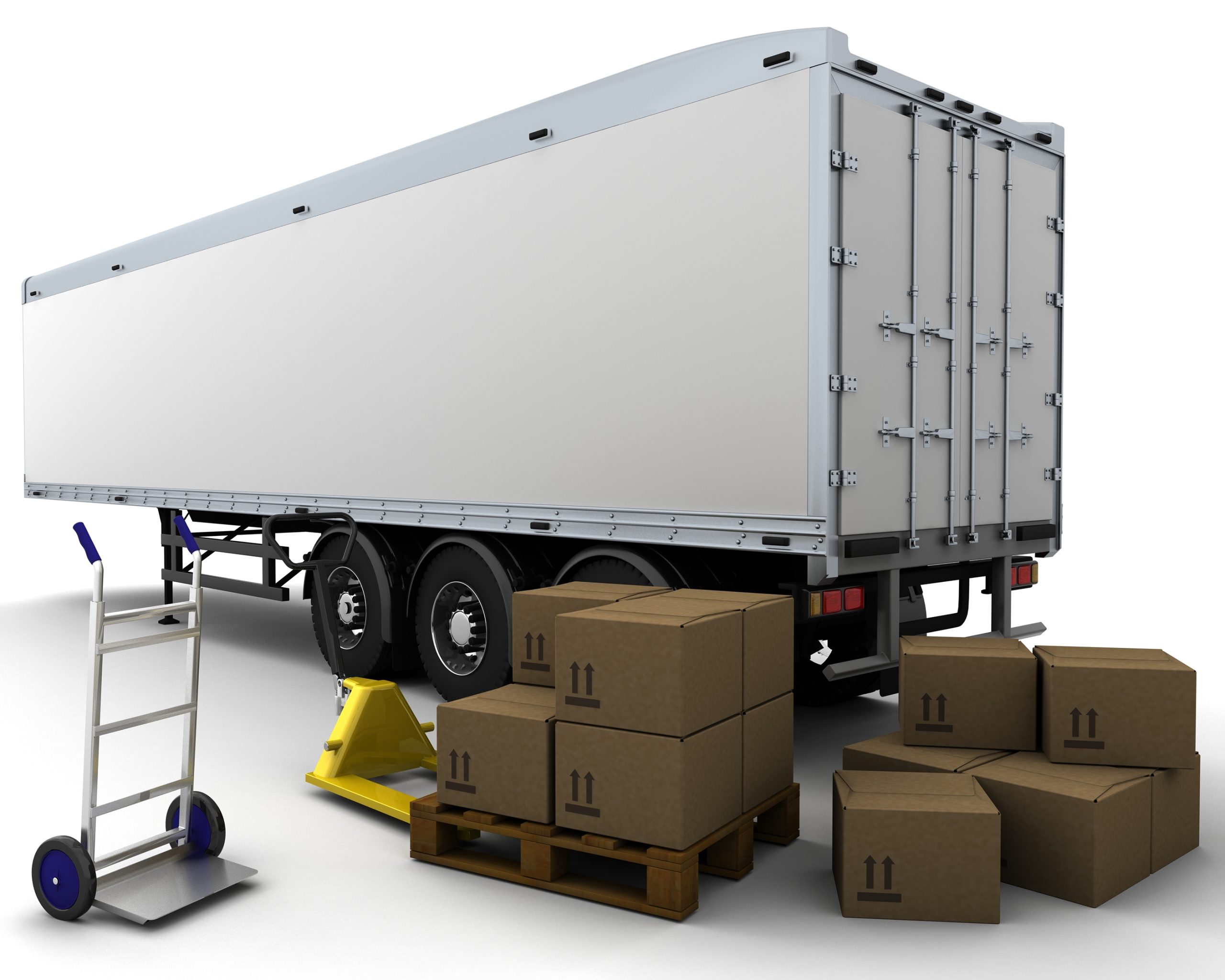
Many businesses think of trailers only as transportation equipment, but dedicated storage trailers serve an entirely different purpose. Unlike over-the-road trailers that are constantly moving freight, storage trailers are positioned at a facility for stationary storage. Their dock-height design allows them to function as an extension of the warehouse while remaining flexible enough to be relocated whenever operational needs change.
This creates a practical middle ground between permanent warehouse expansion and traditional transportation equipment.
What Is an Industrial Storage Trailer?
An industrial storage trailer is a semi-trailer that remains parked on-site and is used exclusively for storage rather than freight transportation.
Because these trailers are designed to match standard loading dock heights, warehouse personnel can move products directly between the warehouse and trailer using forklifts or pallet jacks without additional ramps or equipment.
Storage On-Site offers several storage trailer options to meet different operational requirements, including:
- 28-foot storage trailers (available for rent or purchase)
- 48-foot storage trailers (available for purchase)
- 53-foot storage trailers (available for purchase)
Each provides secure, weather-resistant storage while integrating seamlessly into warehouse operations.
Why Dock Height Matters
One of the greatest advantages of storage trailers is their compatibility with existing warehouse loading docks. Because the trailer floor aligns with dock height, employees can:
- Load and unload pallets efficiently
- Reduce manual handling
- Improve forklift productivity
- Speed up shipping and receiving operations
- Minimize loading delays
This streamlined workflow helps facilities move inventory more efficiently while reducing labor requirements.
Solving Common Warehouse Challenges
Storage trailers address several of the most common pain points facing warehouse managers.
Expanding Storage Without Expanding Buildings
Warehouse construction requires significant capital investment, permitting, and months of planning. Storage trailers provide immediate additional storage space without:
- Building additions
- Long-term leases
- Construction delays
- Facility disruptions
Businesses can quickly increase capacity while maintaining flexibility for future growth.
Managing Seasonal Inventory
Many industries experience predictable inventory fluctuations.
Examples include:
- Holiday retail merchandise
- Agricultural products
- Manufacturing components
- Building materials
- Promotional inventory
- Packaging supplies
Storage trailers create temporary overflow space that can be added or removed as inventory levels change. This helps companies avoid overcrowding inside the primary warehouse while maintaining quick access to inventory.
Supporting Bulk Purchasing
Many manufacturers purchase raw materials in bulk to reduce costs.
However, buying larger quantities requires additional storage capacity. Storage trailers provide an economical solution for storing:
- Packaging materials
- Raw materials
- Finished goods
- Production components
- Maintenance supplies
Keeping these materials on-site ensures they’re readily available when needed.
Reducing Double Handling
Every time inventory is moved unnecessarily, businesses incur additional labor costs and increase the risk of product damage. Storage trailers positioned directly at warehouse docks allow products to move efficiently from receiving to storage and back into distribution with minimal handling. This streamlined process improves productivity while protecting inventory.
Key Roles Storage Trailers Play in the Supply Chain
Storage trailers serve many different functions depending on the facility.
Cross-Dock Staging
Cross-docking requires products to move rapidly from inbound shipments to outbound transportation. Storage trailers provide temporary holding space during sorting and staging, helping warehouses maintain efficient shipping schedules while reducing congestion on the warehouse floor.
Raw Material Buffering
Manufacturing facilities depend on consistent material availability. Storage trailers positioned outside production areas provide immediate access to:
- Steel
- Packaging
- Plastic components
- Lumber
- Chemicals
- Production supplies
Maintaining this buffer inventory helps prevent costly production downtime when deliveries are delayed.
Reverse Logistics
Customer returns require dedicated storage separate from saleable inventory.
Storage trailers provide organized space for:
- Returned merchandise
- Defective products
- Warranty items
- Recyclable materials
- Product recalls
- Refurbishment inventory
Separating these items helps maintain efficient warehouse operations while simplifying inventory management.
Finished Goods Storage
Manufacturers frequently produce inventory faster than shipping schedules allow. Storage trailers provide temporary storage for finished products awaiting freight pickup, allowing production lines to continue operating without interruption.
Storage Trailers vs. Traditional Warehouse Expansion
When businesses outgrow their existing facilities, they generally have two options: expand the warehouse or add temporary storage.
For many companies, storage trailers offer several advantages.
Lower Overall Costs
Building expansion involves:
- Construction costs
- Permitting
- Engineering
- Property improvements
- Increased property taxes
- Long-term maintenance
Storage trailers provide predictable costs while avoiding major capital expenditures.
Greater Flexibility
Business needs change. Storage trailers can be added during busy seasons and removed when demand decreases. This flexibility allows businesses to align storage capacity with current operational needs rather than paying year-round for unused warehouse space.
Mobility
Unlike permanent buildings, storage trailers can be relocated. If production shifts between facilities or a company expands operations, storage assets can move with the business. This flexibility provides long-term value that fixed warehouse additions cannot match.
Safety and Site Preparation
Proper setup is essential for maximizing both safety and trailer performance.
Maintain Proper Weight Distribution
Load heavy inventory evenly throughout the trailer to reduce stress on the frame and improve overall stability. Avoid concentrating excessive weight in one area whenever possible.
Prepare a Stable Surface
Storage trailers should be placed on stable, level surfaces such as concrete, asphalt, or compacted gravel. Proper site preparation helps support fully loaded trailers while preventing shifting over time.
Secure the Trailer
When used for stationary storage, trailers should always be stabilized using:
- Trailer nose jacks
- Wheel chocks
- Landing gear
- Proper dock restraints where applicable
These safety measures help protect both employees and equipment during forklift loading operations.
Understand Local Requirements
Depending on your location, local zoning regulations or property requirements may apply to long-term trailer placement. Working with an experienced storage provider helps ensure trailers are delivered and positioned appropriately.
Industries That Benefit Most from Storage Trailers
Storage trailers support a wide range of industrial operations.
Manufacturing
Manufacturers use storage trailers to store:
- Raw materials
- Packaging
- Spare parts
- Finished products
- Seasonal inventory
Third-Party Logistics (3PL)
Third-party logistics providers often need to expand capacity quickly to accommodate new customer contracts. Storage trailers allow 3PL facilities to increase storage without committing to additional warehouse space.
Distribution Centers
Retail distribution centers frequently experience unpredictable inventory fluctuations. Storage trailers provide valuable overflow capacity during peak shipping seasons while helping maintain efficient warehouse layouts.
Wholesale Operations
Wholesalers often use storage trailers to separate inventory by customer, product line, or shipping schedule, improving organization and simplifying order fulfillment.
Choosing the Right Storage Trailer
The best trailer depends on your operational requirements. A 28-foot storage trailer provides excellent flexibility for smaller facilities or temporary overflow storage. Businesses with higher inventory volumes often benefit from larger 48-foot or 53-foot storage trailers that maximize available storage capacity while integrating seamlessly with warehouse loading docks. Storage On-Site can help determine the right trailer size based on your inventory levels, facility layout, and operational goals.
Streamline Your Logistics with Storage On-Site
Efficient industrial logistics depend on having the right storage capacity available at the right time.
Storage trailers provide manufacturers, distributors, and logistics providers with a flexible, cost-effective solution for increasing storage space without the expense and commitment of permanent warehouse expansion.
At Storage On-Site, we provide dependable storage trailers designed for demanding industrial environments. Whether you need a 28-foot storage trailer for temporary overflow or a 48– or 53-foot trailer for long-term capacity, our team can help you develop a storage solution tailored to your operation.
Contact Storage On-Site today to request a custom quote and learn how our storage trailers can help improve efficiency, maximize warehouse space, and support your industrial logistics strategy.