
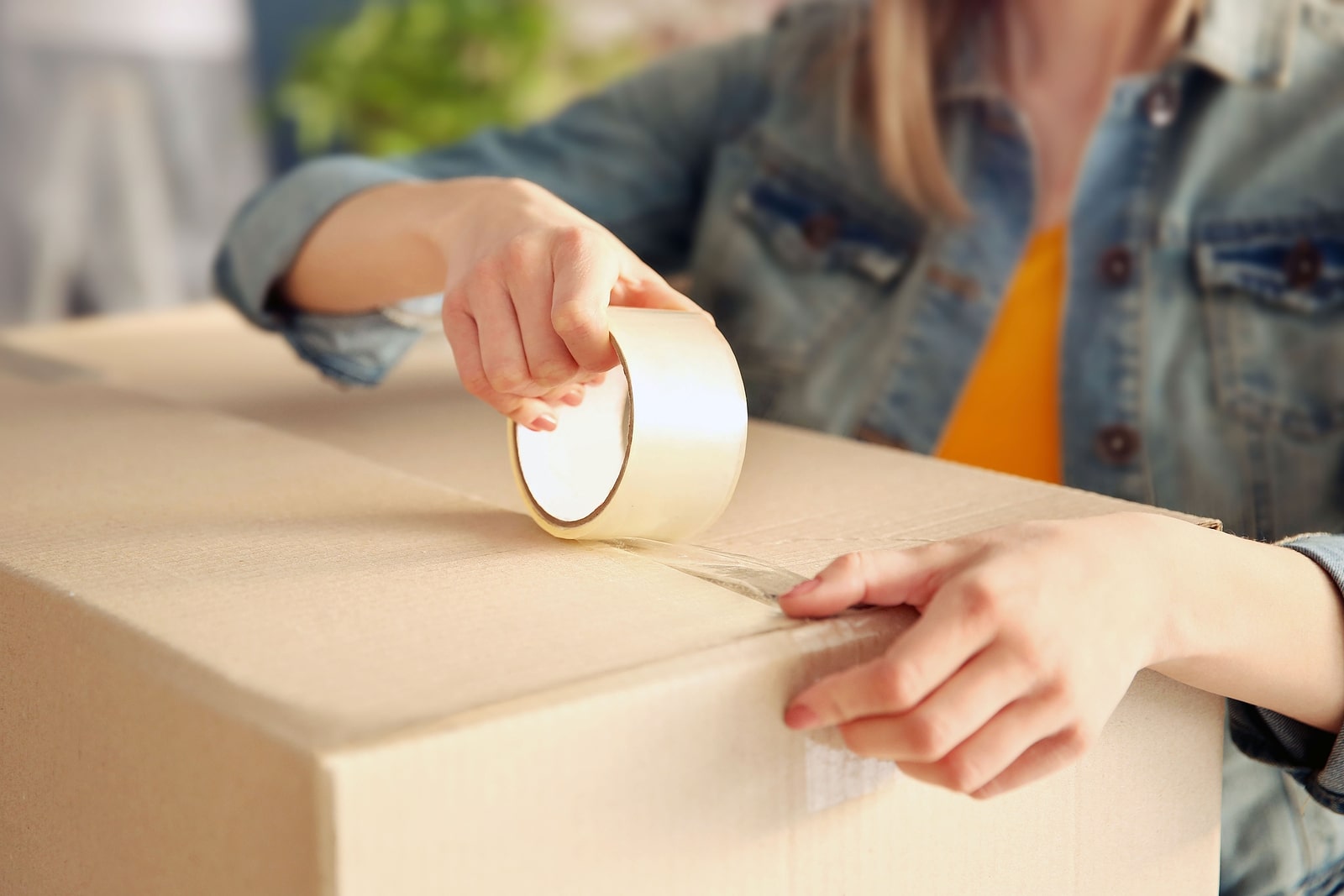
Now that you’ve decided to rent or purchase a storage container, it’s time to start packing. Whether you’re using a portable storage container for a move, renovation, or long-term storage, planning ahead is essential for making the most of your unit. To ensure your items are organized, protected, and accessible, follow these expert tips on how to pack a storage container efficiently.
1. Make a Packing Plan
Before packing your storage unit, take inventory of the items you’re storing. Record the size, quantity, and fragility of each item. Create a labeling system or a chart to track where items are located within the container. This makes it easier to retrieve items later without unpacking the entire unit.
Pro Tip: Use a numbering or color-coded system for each box, and keep a master list with contents.
2. Maximize Your Storage Container Space
To maximize storage container space, it’s important to pack strategically. Avoid placing many small boxes on the floor, as this wastes vertical space. Disassemble bulky furniture like tables and bed frames to save room. Stack boxes by size and strength—heavier, sturdier boxes should go on the bottom.
Fill gaps between large items with smaller ones, and use soft items like linens or clothing to cushion and protect delicate pieces. Think of your storage unit as a 3D puzzle—every inch counts!
3. Keep Frequently Used Items Accessible
When packing a storage container, place items you’ll need to access more frequently near the door or along easily reachable walkways. Clearly label these boxes and avoid burying them under heavy or awkward items. If space allows, leave a narrow path through the center of the container for convenient access.
4. Distribute Weight Evenly
To maintain stability and avoid damaging your stored items—or the container—distribute weight evenly. Place heavier items such as furniture, appliances, and equipment along the floor but spread out from front to back and side to side. Avoid stacking all heavy items in one corner or at one end.
5. Use and Seal Boxes Properly
Boxes are the backbone of a well-packed storage unit. Use sturdy cardboard or plastic bins to prevent damage and keep items organized. Reinforce the bottoms with packing tape and fill boxes fully to prevent them from collapsing. For fragile or light-sensitive items, cover the tops with cardboard or cloth for added protection—especially in outdoor storage containers exposed to sunlight.
6. Gather All Necessary Packing Materials
Before you start packing, make sure you have the right supplies:
-
Heavy-duty packing tape
-
Markers or label makers
-
Cardboard and plastic boxes (various sizes)
-
Airtight storage containers for sensitive items
-
Scissors or utility knife
-
Moving blankets or furniture covers
These tools will help keep your belongings safe, clean, and easy to identify.
7. Wrap and Cushion Fragile Items
For fragile items, use ample padding to prevent breakage. Even inside a secure storage container, unprotected items can be damaged by vibrations or pressure from other objects. Wrap breakables in:
-
Bubble wrap
-
Packing peanuts
-
Newspaper
-
Foam sheets
-
Furniture pads
-
Old blankets or linens
Use dividers for dishes, glassware, or other delicate items.
8. Strategically Place Large Items
Place large, heavy furniture and appliances at the bottom of the storage container. These will act as a base for stacking lighter items above. Create solid “walls” of boxes and furniture up to the ceiling, packing tightly to prevent shifting. Always test that the bottom layers can support what’s stacked above.
9. Protect Items from Damage
For long-term storage or sensitive belongings, invest in added protection. Use:
-
Moisture absorbers (especially in humid climates)
-
Pallets or risers to keep items off the floor
-
Weather-resistant bins for outdoor storage units
This is especially important for climate-sensitive items or valuable furniture.
Create Your Storage Container Packing Plan
Before loading your first box, fill out this simple plan:
1. What are you storing?
List the main categories of items going into the container.
☐ Furniture
☐ Boxes
☐ Tools
☐ Equipment
☐ Business inventory
☐ Construction materials
☐ Seasonal items
☐ Appliances
☐ Other: __________________________
2. Which items will you need most often?
List anything you may need to retrieve while the container is packed:
Plan to keep these items near the doors or along an accessible walkway.
3. Which items can go in the back?
List items you don’t expect to need until the container is unloaded:
These can generally be loaded first and placed toward the rear of the container.
4. Which items need extra protection?
Identify anything that is fragile, moisture-sensitive, valuable, unusually shaped, or easily damaged:
Set these items aside so they’re properly wrapped or protected before loading.
5. What are your heaviest items?
List furniture, equipment, appliances, machinery, or particularly heavy boxes:
Plan where these will go before loading so weight can be distributed throughout the container rather than concentrated in one area.
6. Do you need a walkway?
☐ Yes — I will need regular access to stored items.
☐ No — The container will primarily remain packed until unloading.
If you select yes, plan a narrow center aisle or another clear route to the items you’ll need.
7. Create a Simple Container Map
Sketch your container and divide it into three zones:
FRONT / DOORS — ACCESS OFTEN
Items you’ll need regularly
MIDDLE — ACCESS SOMETIMES
Items you may need occasionally
BACK — ACCESS LAST
Long-term storage and items you won’t need until unloading
One Last Check Before You Start Loading
Before the first item goes inside, make sure you can answer these questions:
☐ What gets loaded first?
☐ What needs to remain accessible?
☐ Which items cannot have heavy boxes stacked on them?
☐ Which items need extra wrapping or moisture protection?
☐ Where will the heaviest items go?
☐ Will I need a walkway?
☐ Is every box clearly labeled?
☐ Do I have a master inventory of what’s going into the container?
Spending a few minutes on your storage container packing plan before loading can save significant time when you need to find something later—and can help you use the available space more efficiently.
Rent or Buy a Storage Container in Indianapolis
Need a reliable, affordable storage solution? Contact Storage On-Site today to rent or purchase a storage container in Indianapolis or the surrounding area. We offer competitive pricing, flexible rental terms, and expert advice on how to pack your unit efficiently. Call us at 317-358-0380 or fill out our online form to get started.