
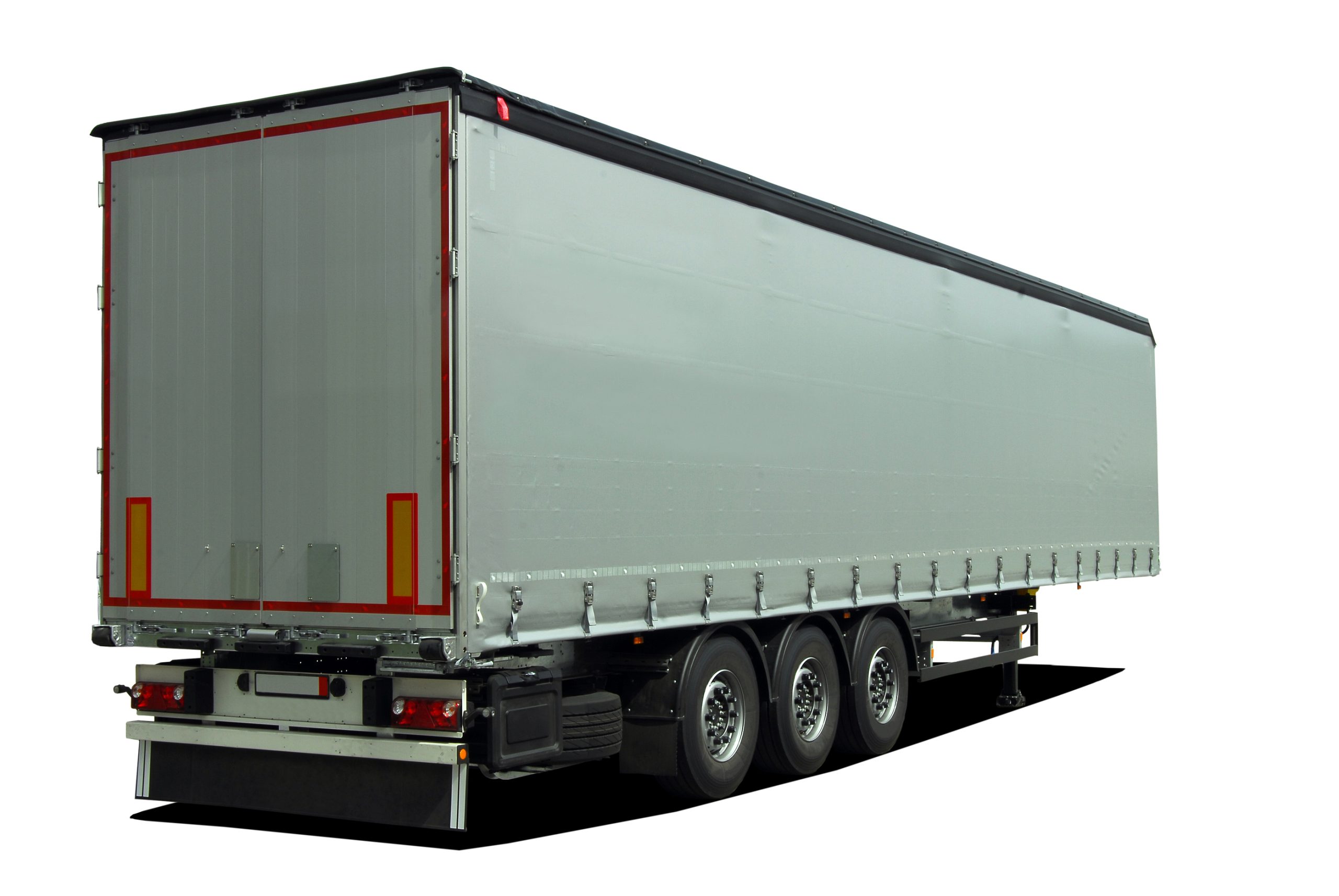
When it comes to using and transporting storage trailers in Indianapolis, what you put inside the trailer is just as important as how you place it. Proper weight distribution is the difference between a smooth delivery and a costly roadside delay.
Whether you are storing heavy construction materials or lightweight retail inventory, understanding the physics of a loaded trailer is essential for safety, compliance, and protecting your investment. At Storage On-Site, we prioritize safety and help our partners navigate the complexities of DOT regulations to ensure every load is road-ready.
Why Weight Distribution Matters for Storage Trailers
Uneven loading doesn’t just make a trailer look lopsided; it fundamentally changes how the vehicle behaves on the road. Proper distribution is critical for several reasons:
- Vehicle Handling: Incorrectly balanced loads can lead to “trailer sway,” making it difficult for the driver to maintain control at highway speeds.
- Equipment Longevity: Overloading one side or one axle puts excessive strain on tires, bearings, and the trailer frame, leading to premature wear or catastrophic failure.
- Cargo Protection: When weight is centered and low, items are less likely to shift, tilt, or crush one another during transit.
- Legal Compliance: In Indiana, the Department of Transportation (INDOT) strictly enforces axle weight limits. Even if your total weight is legal, an imbalanced load can trigger a violation.
DOT Regulations That Govern Weight Distribution
The Federal Motor Carrier Safety Administration (FMCSA) and Indiana state law define strict limits to protect our infrastructure.
Key Weight Limits in Indiana (2026)
| Category | Legal Limit |
| Gross Vehicle Weight (GVW) | 80,000 lbs |
| Single Axle Weight | 20,000 lbs |
| Tandem Axle Group | 34,000 lbs |
| Wheel Weight | 800 lbs per inch of tire width |
Exceeding these limits, even by a few hundred pounds on a single axle, can result in Class C to Class A infractions, with fines in Indiana ranging from a few hundred dollars to $5,000 for egregious violations.
Understanding Storage Trailer Load Points
To load a trailer correctly, you have to think about it like a teeter-totter. The “pivot point” is the axle group, and the “tongue” is the connection to the truck.
The 60/40 Rule
As a rule of thumb, 60% of the cargo weight should be loaded in the front half of the trailer (closest to the truck), with the remaining 40% distributed toward the rear.
Tongue Weight
Ideally, 10–15% of the total weight should rest on the trailer tongue. Too little weight here causes the trailer to fishtail; too much weight can overwhelm the truck’s rear suspension and steering.
Center of Gravity
Keep the heaviest items centered side-to-side and as low to the floor as possible. A high center of gravity significantly increases the risk of a rollover during sharp turns.
Common Weight Distribution Mistakes
Even experienced crews can make mistakes when rushing to meet a deadline. Watch out for these common pitfalls:
- “Nose Loading” Everything: While you want weight up front, cramming all heavy items at the very front can crush the truck’s hitch and lift the front tires, losing steering control.
- The “Rear-Heavy” Trap: Putting heavy equipment at the tail of the trailer is the #1 cause of dangerous trailer sway.
- Ignoring the Sides: If one side is significantly heavier, you risk a tire blowout or the trailer pulling hard to one direction.
- Stacking High: High-stacked boxes are prone to toppling and shifting the weight mid-transit, especially on Indianapolis’s cloverleaf interchanges.
Best Practices for Proper Weight Distribution
Achieving a perfectly balanced load is a science that pays dividends in safety and equipment longevity. To ensure your storage trailer is road-ready and compliant with Indiana regulations, follow these four foundational best practices:
Place Heavy Items Low and Centered
Gravity is your greatest ally or your worst enemy. Always start your loading process by placing the heaviest pallets, machinery, or crates on the floor, rather than on top of other items. These “anchor” loads should be positioned longitudinally so they sit directly over the axle group or slightly forward toward the tongue (following the 60/40 rule). Centering them laterally (side-to-side) will prevent the trailer from leaning, which can cause uneven tire wear and unpredictable handling during turns on Indianapolis highway ramps.
Use Robust Load Securement
A perfectly placed load is useless if it shifts the moment the driver hits the brakes. Per DOT standards, your securement system, including tie-downs, high-tensile strength straps, or dunnage (padding/bracing), must be capable of withstanding $0.8g$ of forward deceleration. This means if the truck makes an emergency stop, your cargo stays put. For storage trailers, using friction mats and blocking/bracing prevents the “domino effect” that occurs when one heavy item slides and causes a chain reaction of damage.
Distribute Lighter Items to the Top and Back
Once your heavy items are secured low and centered, use the remaining volume for your lighter, high-cube goods. Stacking lightweight items like insulation, empty containers, or textiles toward the rear and top of the trailer helps maximize your space without negatively impacting the center of gravity. However, even these lighter items should be secured; a shifting load of “light” boxes can still create enough momentum to unsettle a trailer at highway speeds.
Conduct a Final Verification Before Transport
Never assume a load is correct just because the manifest says so. Before the driver pulls away, perform a comprehensive visual “level check.” Look at the “squat” of the truck’s rear suspension and the angle of the trailer. If the truck’s nose is pointed toward the sky, you have too much tongue weight; if the trailer tail is sagging, you are rear-heavy and at high risk for dangerous trailer sway. If the trailer looks uneven, it is uneven; take the time to shift the load before hitting the road to avoid DOT inspections and safety hazards.
Weight Distribution Tips by Use Case
- Construction Materials: Bricks and lumber should be spread across the floor rather than stacked in one corner.
- Retail Inventory: If you have mixed density (e.g., bottled water and paper towels), the heavy liquids go on the floor in the center; paper products go on top or at the ends.
- Office Furniture: Desks and filing cabinets should be secured against the walls with the heaviest pieces forward.
- Appliances and High-Cube Machinery: For top-heavy items like refrigerators, washing machines, or industrial equipment, position them directly over the trailer axles or slightly forward. Because these items have a high center of gravity, they are prone to tipping during sharp turns.
- Archives, Records, and Boxed Storage: While a single box of paper is light, a full trailer of archives is incredibly dense. Distribute these loads evenly across the entire floor rather than stacking them to the ceiling in one section.
- Mixed-Density Pallets: If your load includes both “heavy” goods (like bottled water or tile) and “light” goods (like paper towels or pillows), place the heavy pallets in the center of the trailer floor.
- Hazardous or Liquid Materials: When storing or transporting drums or IBC totes containing liquids, weight distribution shifts as the liquid moves. These should be secured in the centerline of the trailer to prevent “sloshing” from pulling the trailer to one side. Always place these on the bottom layer. Never stack other freight on top of liquid containers.
Indiana-Specific Enforcement Considerations
The Indiana State Police (ISP) are particularly active in urban hubs like Indianapolis, Fort Wayne, and Evansville.
- Roadside Inspections: Inspectors look for “squatting” tires or strained suspensions as a reason to pull a trailer over for a portable scale weigh-in.
- Seasonal Restrictions: Be aware of Indiana “Frost Laws” or seasonal weight restrictions on certain county roads during the spring thaw (typically February to April), which may reduce legal weight limits to protect softening road bases.
How Storage On-Site Helps Ensure Safe Loads
At Storage On-Site, we don’t just provide the steel; we provide the expertise. We support Indianapolis businesses by:
- Providing DOT-compliant trailers and containers that are regularly inspected for structural integrity.
- Offering guidance on the best unit size for your specific weight requirements.
- Utilizing experienced delivery teams who understand the nuances of Indiana’s roads and height/weight restrictions.
FAQ: Storage Trailer Weight Distribution
- How much weight can a storage trailer carry? A standard 53-foot storage trailer can typically carry between 45,000 and 48,000 lbs of cargo, provided it is distributed correctly to stay under the 80,000 lb gross limit.
- What is tongue weight and why does it matter? Tongue weight is the downward pressure the trailer applies to the hitch. Proper tongue weight (10–15%) ensures the truck can steer and brake effectively.
- Can uneven weight cause DOT violations even if I’m under the total limit? Yes. You can be under the 80,000 lb total limit but still receive a citation if one of your axles exceeds 20,000 lbs (single) or 34,000 lbs (tandem).
- Does Storage On-Site help with load planning? While we don’t load the trailers for you, our team can recommend the right equipment and provide best-practice checklists for your crew.
Partner with the Experts in Indianapolis
Proper loading protects your cargo, your drivers, and your company’s reputation. If you’re planning a project in Central Indiana and need reliable, road-ready storage trailers, we’re here to help. Contact us to request a quote today.