
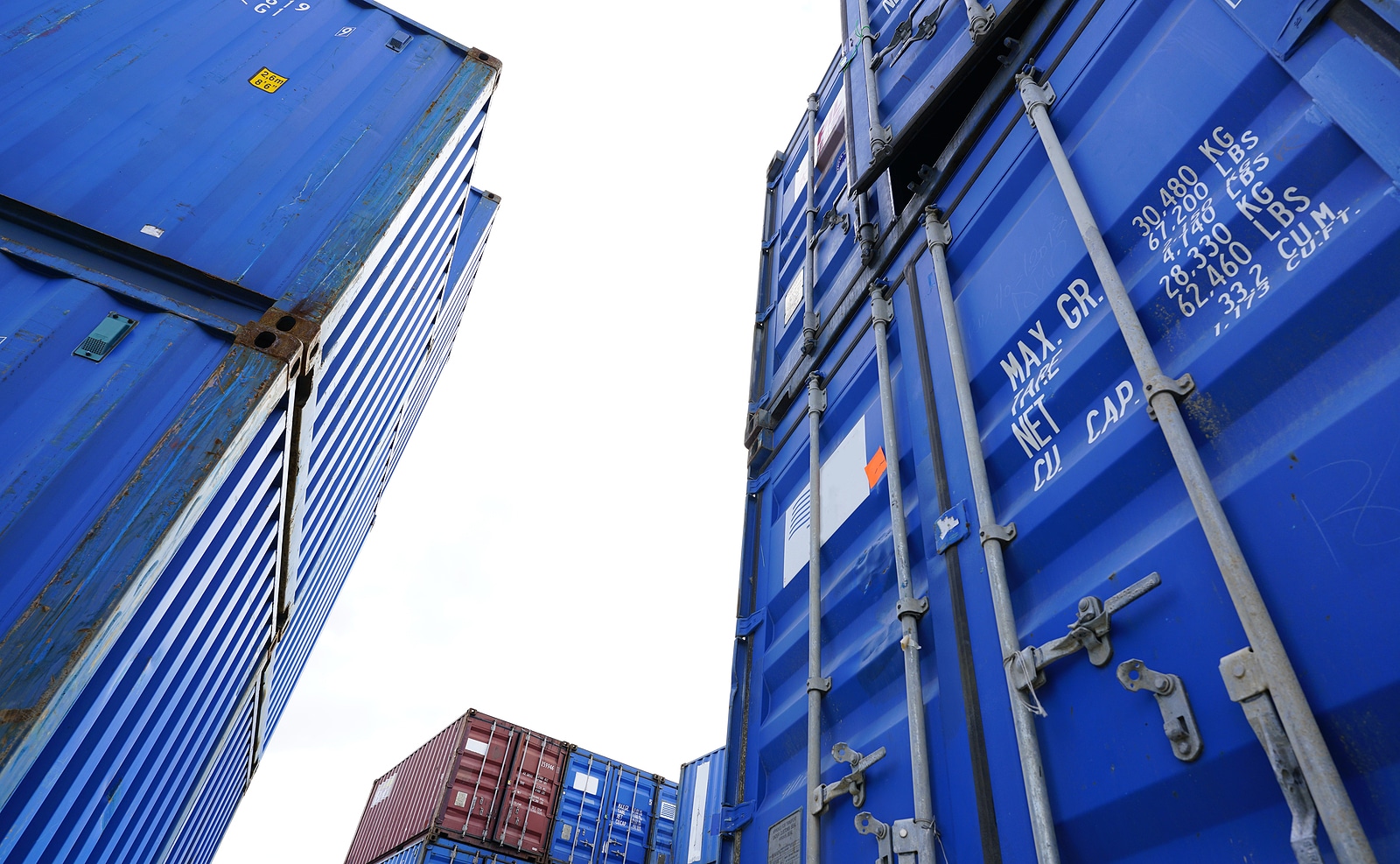
Storage containers are used year-round across the Indianapolis area for construction projects, retail overflow, equipment storage, records management, and temporary workspaces. While steel storage containers are durable and secure, they are not designed to regulate temperature on their own. Without insulation, extreme heat, cold, and moisture can quickly damage stored items or make the space uncomfortable and inefficient to use. Insulating a storage container allows it to function reliably through Indiana’s changing seasons. From freezing winters to hot, humid summers, proper insulation protects your assets, extends the usability of the container, and often saves money over time.
This guide explains why insulation matters, how storage containers behave in different conditions, the most common insulation options, and how businesses in Indianapolis can choose the right approach for their needs.
Why Insulation Matters in Indiana
Indiana experiences wide temperature swings throughout the year. Winter temperatures frequently drop below freezing, while summer highs and humidity can be intense. These fluctuations create challenges for uninsulated storage containers.
Without insulation, metal containers heat up rapidly in the summer and lose heat just as quickly in winter. This can lead to interior temperatures that are far outside the safe range for many materials.
Insulation supports year-round use by helping containers serve multiple purposes, including:
- Storing construction supplies and tools without warping or cracking
- Protecting retail inventory from heat damage or moisture
- Preserving documents, files, and records that are sensitive to humidity
- Creating usable onsite offices or workshops in all seasons
Uninsulated containers often suffer from common issues such as condensation buildup, rust development, warped materials, and increased mold risk. These problems can result in damaged inventory, downtime, and unexpected replacement costs.
Understanding Your Container’s Starting Structure
Most storage containers are constructed from corrugated steel panels with steel framing. While this makes them extremely strong and secure, metal is also highly conductive. It absorbs heat quickly and transfers cold just as efficiently.
Heat and cold typically enter a container through:
- The roof, which is exposed to direct sunlight and weather
- Doors and door seals, which can allow air leaks
- Seams, corners, and structural framing that act as thermal bridges
Thermal bridges are areas where heat or cold moves easily through the structure, bypassing insulation. Addressing these weak points is critical before choosing or installing insulation. Without sealing gaps and mitigating thermal bridges, even high-quality insulation may underperform.
Understanding how your container responds to temperature changes helps determine the most effective insulation strategy for your intended use.
Different Insulation Options and When to Use Each
There is no single insulation solution that works best for every container. The right choice depends on how the container will be used, how long it will be in place, and how much climate control is required.
Spray Foam Insulation
Spray foam insulation is one of the most effective options for storage containers that need maximum temperature and moisture control.
Spray foam creates an air-tight seal by expanding to fill gaps, seams, and irregular surfaces. This makes it especially effective for containers exposed to extreme temperatures or high humidity.
Spray foam insulation is best suited for:
- Containers used year-round
- Onsite offices or workspaces
- Sensitive equipment or materials
- Locations with high moisture exposure
Because it adheres directly to the steel walls and ceiling, spray foam also helps reduce condensation and interior sweating.
Rigid Foam Panels
Rigid foam insulation panels are a popular option for businesses seeking a balance between performance and cost.
These panels provide consistent insulation value and are relatively easy to install. They work well in containers that are being converted into workshops, storage rooms, or light-duty office spaces.
Rigid foam panels are often chosen because they:
- Are more affordable than spray foam
- Allow for modular installation
- Can be combined with interior wall finishes
- Perform well in moderate temperature control applications
This option is common for Indianapolis-area businesses using containers for tools, inventory, or short-term workspace needs.
Batt Or Blanket Insulation
Batt or blanket insulation is typically used when a container is being fully built out with framed interior walls.
This type of insulation is suitable when:
- Electrical wiring is being added
- Interior drywall or paneling is planned
- The container will function as a long-term structure
Batt insulation requires more preparation and framing but can be effective when paired with proper vapor barriers and interior finishes.
Insulated Container Upgrades
For businesses that need immediate climate stability, insulated containers are also available.
Some storage containers come pre-insulated or are retrofitted before delivery. These units are ideal for companies that need fast deployment without managing insulation installation onsite.
Pre-insulated containers are often used for:
- Temporary offices
- Medical or technical storage
- Secure document storage
- Projects with tight timelines
- Retail overflow or seasonal inventory
- Construction materials such as adhesives, finishes, or electronics that are temperature-sensitive
- Municipal, school, or institutional projects requiring predictable interior conditions without permanent construction
Choosing an insulated container upfront can simplify logistics and ensure consistent performance from day one.
Moisture And Condensation Control
In many cases, moisture is a bigger threat than cold temperatures alone. Condensation forms when warm, humid air comes into contact with cooler metal surfaces, which is common inside uninsulated containers.
Unchecked moisture can lead to corrosion, mold growth, and damaged goods. Effective moisture control strategies include:
- Installing vapor barriers to prevent moisture migration
- Sealing gaps and seams to reduce humid air intrusion
- Using roof coatings or interior liners to minimize sweating
- Ensuring proper airflow inside the container
Insulation works best when paired with moisture management, especially in Indiana’s humid summer months.
Heating And Cooling Considerations
Insulation improves temperature stability, but heating and cooling may still be needed depending on how the container is used.
Common options include:
- Portable HVAC units for onsite offices or staffed workspaces
- Passive ventilation for basic storage needs
- Roof-mounted turbines or louvered vents to improve airflow
For containers used as offices or workshops, combining insulation with portable climate control creates a more comfortable and productive environment year-round.
Preparing The Container Before Insulation
Proper preparation is essential for insulation to perform as intended.
Before insulation installation, it is important to:
- Thoroughly clean interior surfaces
- Seal gaps around doors, seams, and joints
- Repair any existing damage or leaks
- Address rust spots and apply protective coatings if needed
Adding rust protection or an interior coating before insulation helps extend the lifespan of the container and improves long-term performance.
Cost Factors To Consider
Insulating a storage container is an investment, and costs can vary based on materials, labor, and usage requirements.
Key cost factors include:
- Material costs, which differ significantly between spray foam, rigid panels, and batt insulation
- Labor costs, especially for professional installation
- Additional expenses for vapor barriers, coatings, or ventilation
- Long-term savings from reduced damage to stored materials
- Upfront delivery and repositioning costs if the container needs to be moved offsite for insulation or retrofitting
- Downtime considerations if insulation work delays when the container can be placed into service
- Energy usage costs if heating or cooling equipment will be added for year-round operation
- The expected length of use, which can affect whether insulation is more cost-effective than short-term replacement or upgrades
While spray foam may have a higher upfront cost, it can offer long-term savings by reducing moisture-related damage and energy costs. Choosing the right solution depends on balancing immediate budget concerns with long-term operational needs.
How Storage On-Site Helps Indianapolis Businesses
Storage On-Site provides storage containers and trailers for businesses throughout Indianapolis and surrounding areas. The team understands local climate conditions and how they affect container performance.
Storage On-Site can help by:
- Offering insulated containers or retrofitted units
- Recommending the right insulation approach based on season and use case
- Supporting short-term and long-term storage needs
- Delivering reliable, convenient solutions tailored to your site conditions
Whether you need a container for construction, retail overflow, equipment storage, or temporary workspace, having guidance from a local provider makes the process easier and more efficient.
Closing Takeaway
Insulating a storage container is one of the most effective ways to protect your assets, control moisture, and extend usability throughout Indiana’s changing seasons. The right insulation strategy helps prevent damage, reduces long-term costs, and turns a basic steel container into a reliable, all-season solution.
For businesses in the Indianapolis area, Storage On-Site can help you choose the right container and insulation approach based on your specific needs, timeline, and site conditions. Contact Storage On-Site today to get recommendations tailored to your business and ensure your storage container performs year-round.