
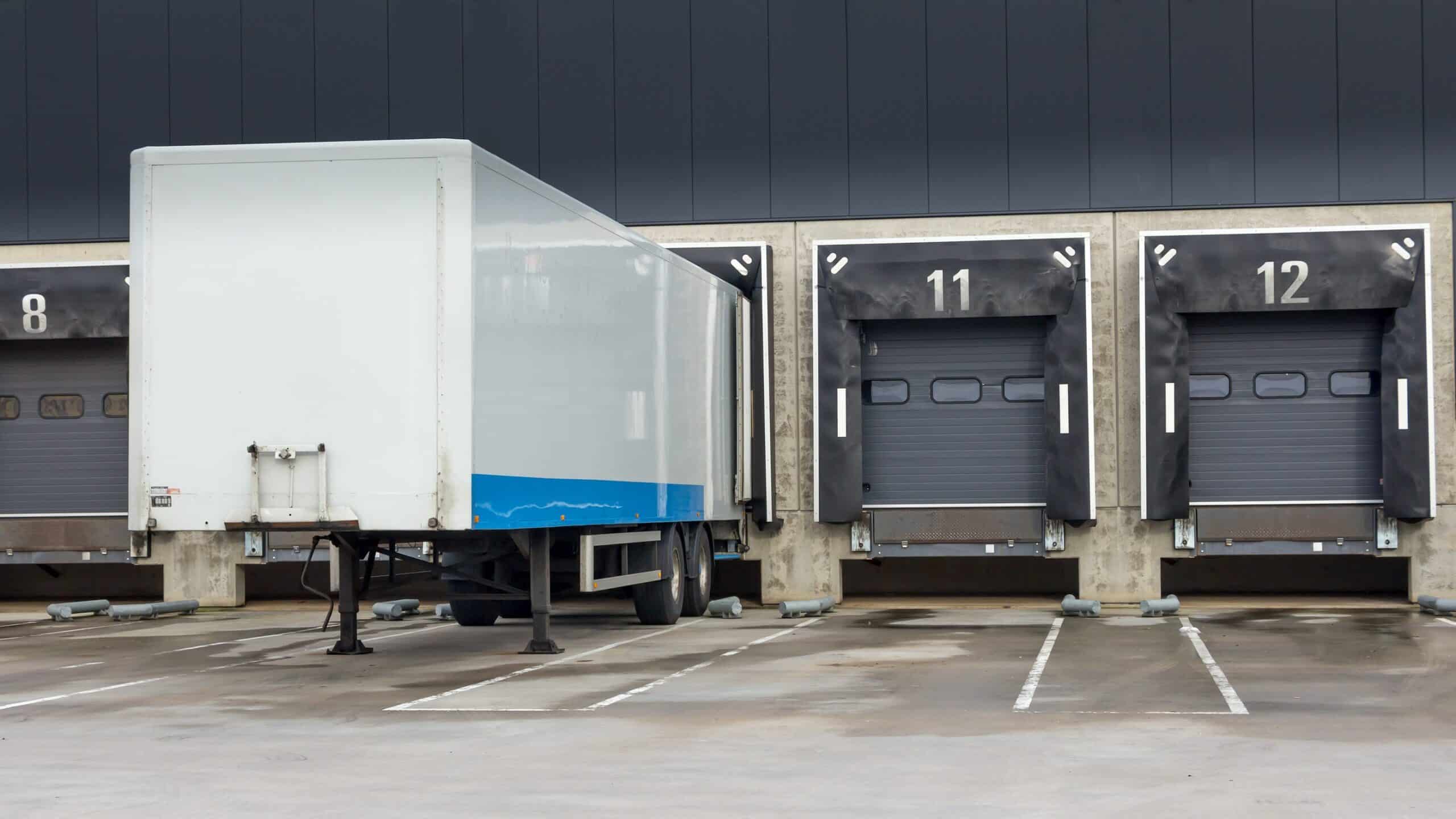
Transporting storage trailers may seem straightforward, but it is governed by a detailed set of Department of Transportation regulations designed to protect drivers, crews, cargo, and the public. For businesses across Indianapolis and throughout Indiana, understanding these rules is essential to keeping projects on schedule and avoiding costly disruptions.
DOT regulations apply whether a storage trailer is being delivered to a construction site, repositioned between locations, or moved across state lines. Requirements can vary based on trailer size, weight, route, and whether transport stays within Indiana or crosses into neighboring states. This is why working with a safety-focused, compliant provider like Storage On-Site matters. Experienced providers handle compliance details so businesses can focus on operations rather than regulations.
Why DOT Compliance Matters for Storage Trailer Transport
DOT compliance is not just about paperwork. It plays a direct role in safety, reliability, and cost control for businesses that rely on storage trailers.
Compliance matters because it supports:
- Safety for drivers, onsite crews, and the general public
- Prevention of fines, delivery delays, and legal complications
- Protection of storage trailers and customer property during transport
- Consistent and efficient delivery schedules across Indiana
Non-compliance can lead to roadside inspections, out-of-service orders, or rerouted deliveries, all of which can interrupt projects and increase costs.
Key DOT Regulations That Affect Storage Trailer Transportation
DOT regulations cover several critical areas that directly impact how storage trailers are moved.
Trailer Weight And Load Limits
Federal law establishes maximum weight limits for commercial vehicles, including trailers and the vehicles towing them. These limits are designed to protect roadways, bridges, and braking systems.
Important considerations include:
- Federal gross vehicle weight limits for commercial transport
- Indiana-specific allowances or restrictions on certain roadways
- Proper loading to avoid overloading individual axles
- Increased risk of inspections and fines if trailers exceed legal limits
Overweight violations can result in immediate fines and may require load adjustments before transport can continue.
Vehicle And Equipment Requirements
DOT regulations require all transport vehicles and trailers to meet specific safety standards.
These requirements typically cover:
- Operational lighting, reflectors, and conspicuity markings
- Functional braking systems and secure hitches
- Tires in safe condition with proper tread depth
- Regular maintenance and documented inspections
Commercial vehicles are also subject to annual DOT inspections, and records must be kept on file to demonstrate compliance during audits or roadside checks.
Driver Qualifications and CDL Requirements
Not every storage trailer move requires a commercial driver’s license, but many do depending on weight and configuration.
Key driver-related regulations include:
- CDL requirements based on combined vehicle weight ratings
- Federal hours-of-service limits that prevent driver fatigue
- Medical certifications to confirm driver fitness
- Background checks and safe driving history requirements
Using properly qualified drivers helps reduce accident risk and ensures that deliveries are not delayed due to compliance issues.
Permits and Routing Requirements
Some storage trailer moves require special permits, particularly when size or weight thresholds are exceeded.
Considerations include:
- Oversize or overweight permits when required
- Indiana-specific routing rules for permitted loads
- Differences between urban Indianapolis routes and rural highways
- Seasonal restrictions or construction-related detours
Route planning is especially important in urban areas where clearance limits, traffic patterns, and local restrictions can affect delivery timing.
Safety Protocols During Transport
DOT regulations also outline procedures that must be followed before, during, and after transport.
These safety protocols typically include:
- Proper coupling and uncoupling procedures
- Wheel chocking and brake checks during stops
- Required emergency equipment onboard transport vehicles
- Pre-trip and post-trip inspections documented by drivers
Following these protocols reduces the likelihood of accidents, equipment damage, or roadside violations.
Indiana-Specific Transportation Considerations
Indiana has its own transportation considerations that affect storage trailer delivery, especially in and around Indianapolis.
Businesses should be aware of:
- Indiana Department of Transportation requirements and enforcement practices
- Bridge clearances and route limitations within the Indianapolis metro area
- Weather-related guidelines for snow, ice, and reduced visibility
- Local delivery rules for business districts, industrial parks, and construction sites
- Seasonal weight restrictions or temporary road limitations during freeze–thaw cycles
- Peak traffic and delivery hour restrictions in downtown Indianapolis and high-density corridors
- Special access requirements for gated facilities, secured job sites, or active construction zones
- Coordination needs with site managers, property owners, or municipal authorities prior to delivery
Seasonal weather can be a major factor. Winter storms, spring rain, and summer heat all influence how and when trailers can be safely transported.
Best Practices to Ensure Full DOT Compliance
While DOT regulations can be complex, following proven best practices helps reduce risk and keep storage trailer transportation efficient and predictable. Working with experienced, certified drivers ensures that deliveries are handled by professionals who understand federal and Indiana-specific requirements.
Keeping trailers and tow vehicles well maintained and regularly inspected helps prevent mechanical issues that could trigger roadside violations or delays. Accurate weight documentation and proper load balancing are essential for avoiding axle overloads and overweight citations, while maintaining clear records supports audits and inspections if questions arise. Pre-planning delivery routes also plays a critical role, allowing providers to avoid restricted roads, clearance issues, and permit violations. Businesses that take DOT compliance seriously are far less likely to encounter fines, delivery disruptions, or safety-related incidents.
How Storage On-Site Ensures Safe, Compliant Trailer Transport
Storage On-Site manages DOT compliance as part of its service model, helping businesses across Indianapolis move storage trailers with confidence.
Key elements of their approach include:
- Professional drivers trained to meet DOT standards
- A modern, well-maintained trailer fleet
- Proactive inspections and documentation practices
- Efficient routing and scheduling across Indianapolis and surrounding areas
- Customer-focused delivery and pickup systems that minimize disruption
By handling regulatory requirements internally, Storage On-Site helps clients avoid the operational burden of managing DOT compliance on their own.
The Cost of Non-Compliance for Businesses
Failing to follow DOT regulations can have serious consequences that go well beyond simple fines. Financial penalties and enforcement actions can arise quickly during roadside inspections or audits, creating unexpected costs for businesses. Non-compliance can also lead to project delays that disrupt schedules, contractual obligations, and coordination with other trades or vendors.
In some cases, improper transport procedures increase the risk of damage to storage trailers, equipment, or stored materials, resulting in additional repair or replacement expenses. There is also increased liability exposure for contractors, property managers, and construction teams if an incident occurs during transport. For businesses operating on tight timelines or budgets, these risks can quickly outweigh the cost of working with a DOT-compliant, safety-focused provider.
FAQ: DOT Regulations for Storage Trailers
Do I need a permit to move a storage trailer in Indiana?
Permits are required if a trailer exceeds certain size or weight limits. Many standard storage trailer deliveries do not require permits, but this depends on configuration and route.
When is a CDL required for trailer delivery?
A CDL is required when the combined weight rating of the vehicle and trailer exceeds federal thresholds. Qualified providers ensure the correct drivers are assigned.
Are there weight limits for loaded storage trailers?
Yes. Both federal and Indiana-specific weight limits apply, including axle weight limits. Proper loading is essential.
How does Storage On-Site ensure compliance during bad weather?
Deliveries are planned with weather conditions in mind, and transport may be delayed or rerouted to maintain safety and compliance.
What records does the DOT require drivers and companies to keep?
Required records typically include inspection reports, maintenance logs, driver qualifications, and hours-of-service documentation.
Conclusion
Understanding DOT regulations is essential before transporting any storage trailer. Compliance protects people, property, and project timelines while reducing the risk of costly interruptions.
For businesses in Indianapolis and throughout Indiana, Storage On-Site handles DOT compliance from start to finish, ensuring safe, on-time trailer delivery and pickup. If you need reliable, DOT-compliant storage trailer transportation, contact Storage On-Site to discuss your project needs, request a quote, and schedule service with confidence.